Prora on Rügen – The Baltic Colossus, Privately Discovered
4.5 kilometres of concrete, 20,000 planned holidaymakers, never a single guest: KdF resort Prora is the largest never-completed building in history – and one of the Third Reich's most puzzling monuments.
Plan Your Private TourDuration
1–2 days
Region
Prora, Island of Rügen, Mecklenburg-Vorpommern
Format
Private Chauffeur Tour
Highlights
- 4,500 m length – the longest building ever constructed, surpassing the Pentagon
- History of the KdF programme: mass leisure as a political instrument of control
- Never finished, never used – yet won a gold medal at the 1937 Paris World Exhibition
- GDR NVA barracks, decay after 1990, today luxury apartments and a museum
- Prora Museum in Block 3 with exhibitions on history and architecture
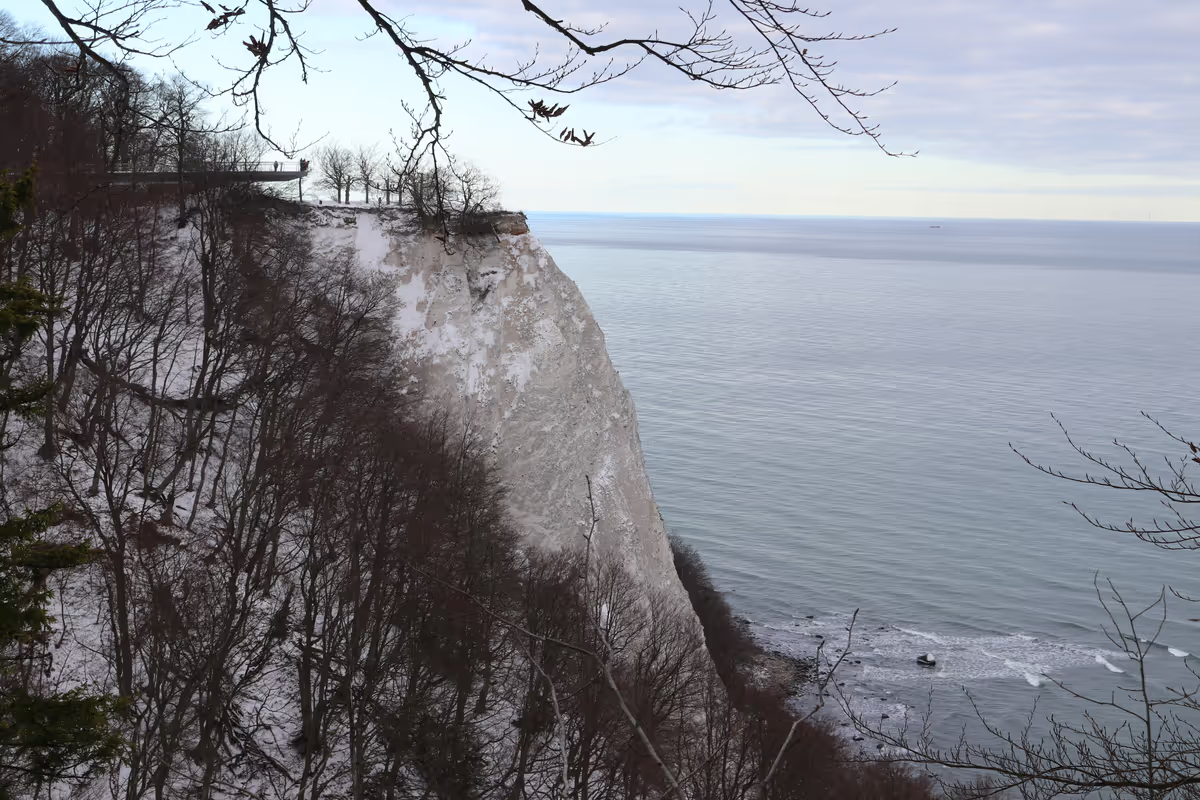
- Optional combination with Binz, the chalk cliffs and Jasmund National Park
Enquire – no commitment, no form.
Enquire →Experience
Location: 4.5 km of Concrete on the Baltic Coast
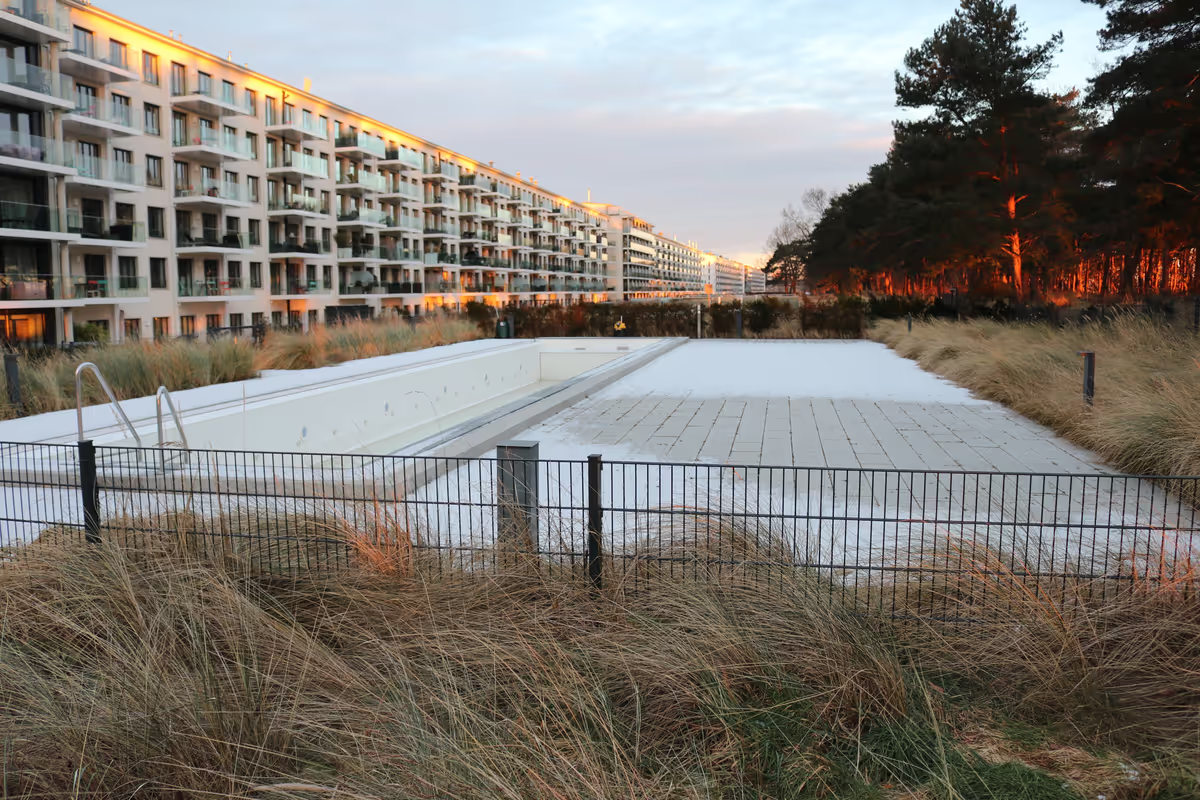
The Prora complex stretches for 4.5 kilometres along Rügen's eastern Baltic shore between the seaside resorts of Binz and Prora. The structure sits directly on the beach, surrounded by pine forest, on Germany's largest island in Mecklenburg-Vorpommern. Binz, Rügen's best-known resort, is 3 kilometres away; Sassnitz and the chalk cliffs of Jasmund National Park lie 20 kilometres to the north.
The KdF Programme and the Ideology of Mass Leisure
Prora was the centrepiece of the KdF programme (Kraft durch Freude – Strength Through Joy), which Robert Ley built as leader of the German Labour Front from 1933. The idea: the "German worker" was to be kept content through state-organised leisure while simultaneously being shaped ideologically. Holidays were no longer a private pleasure but a political instrument.
For Prora, the architects around Clemens Klotz (after a competition in 1935) planned eight identical blocks, each 490 metres long and four storeys high – all with sea views. 20,000 holidaymakers were to vacation here simultaneously. Every room was to have a sea-facing window – a revolutionary concept for workers of the 1930s. The project won a gold medal at the 1937 Paris World Exhibition.
Never Completed, Never Used
Construction began in 1936; 9,000 workers created the shell structures. Prora was never finished: when war broke out in 1939, building stopped. During the war the structure served as emergency accommodation for refugees from East Prussia and later as a Luftwaffe training facility.
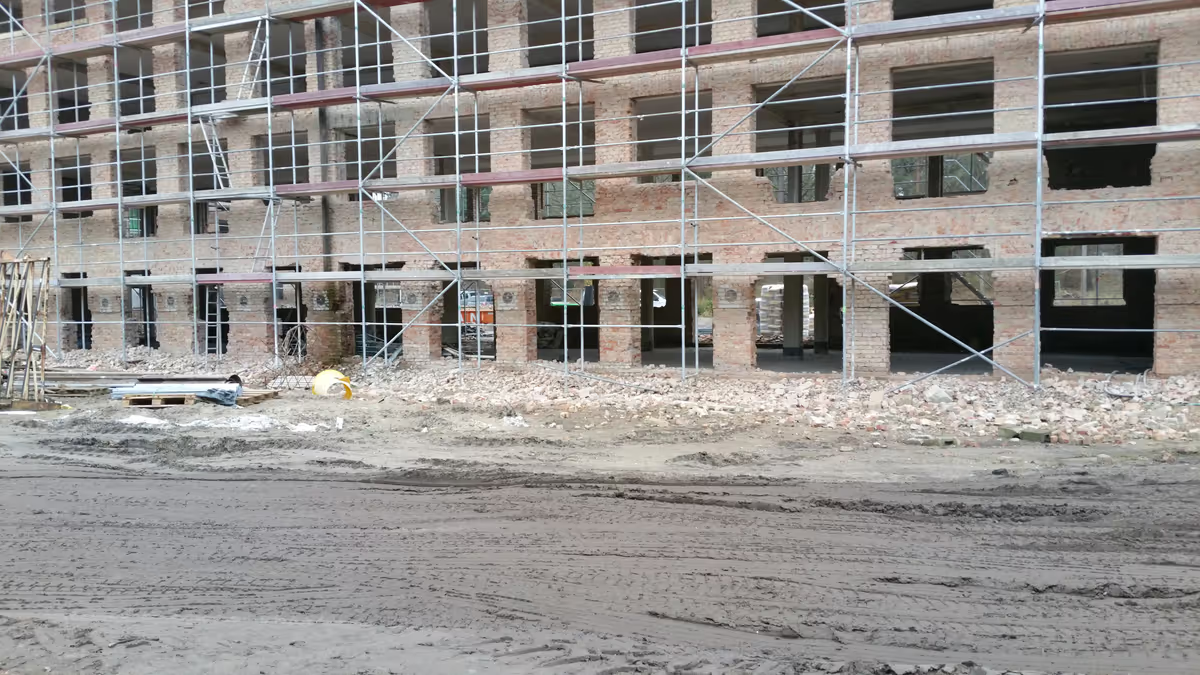
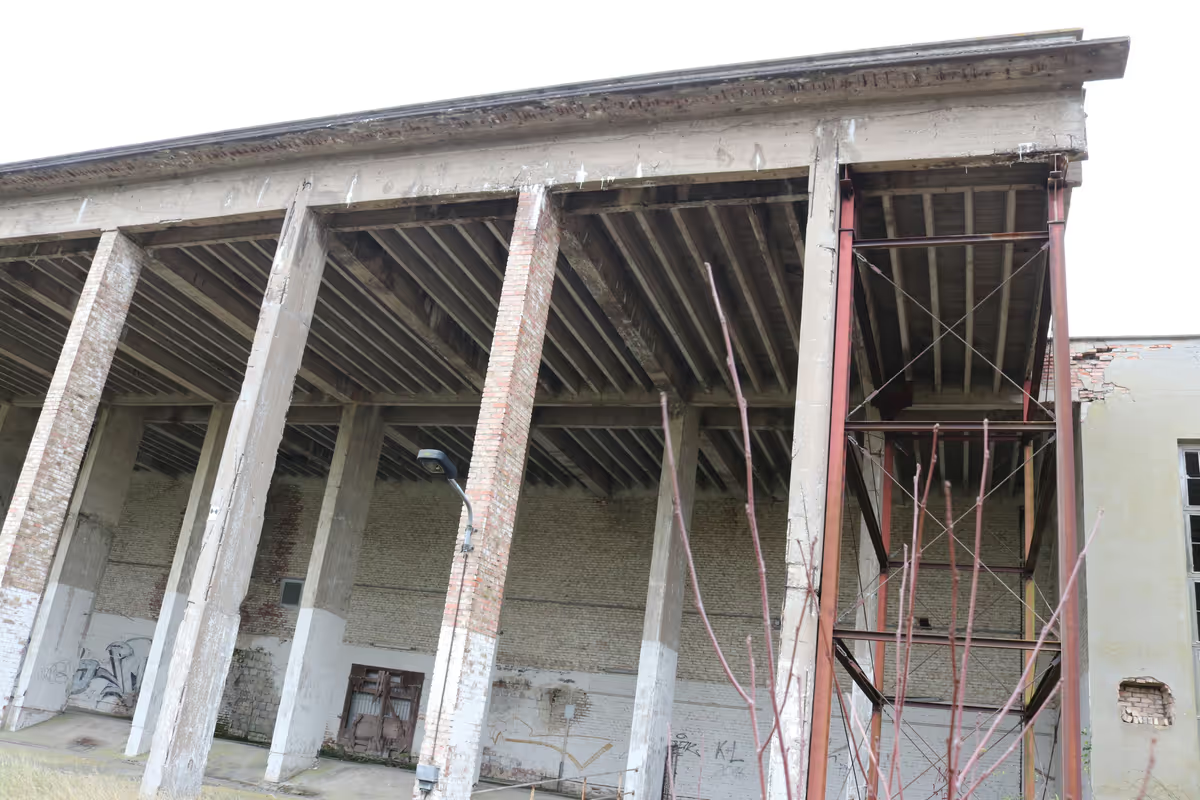
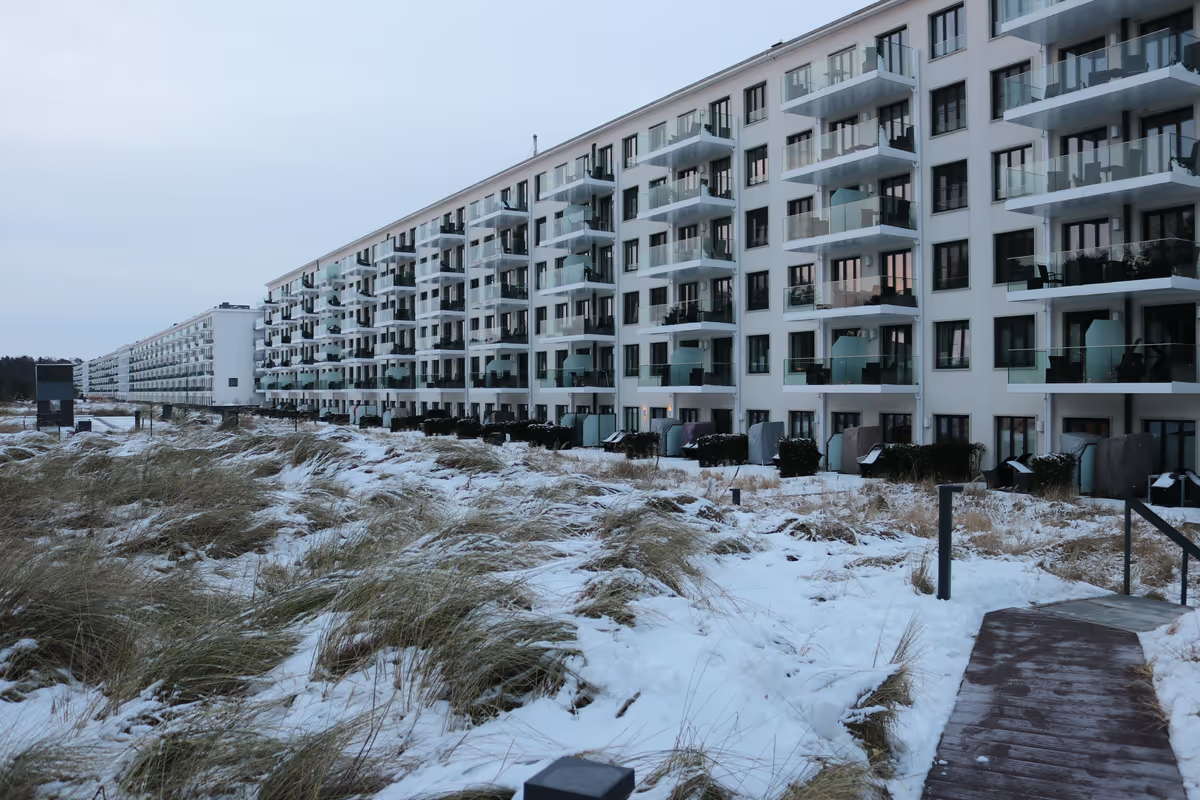
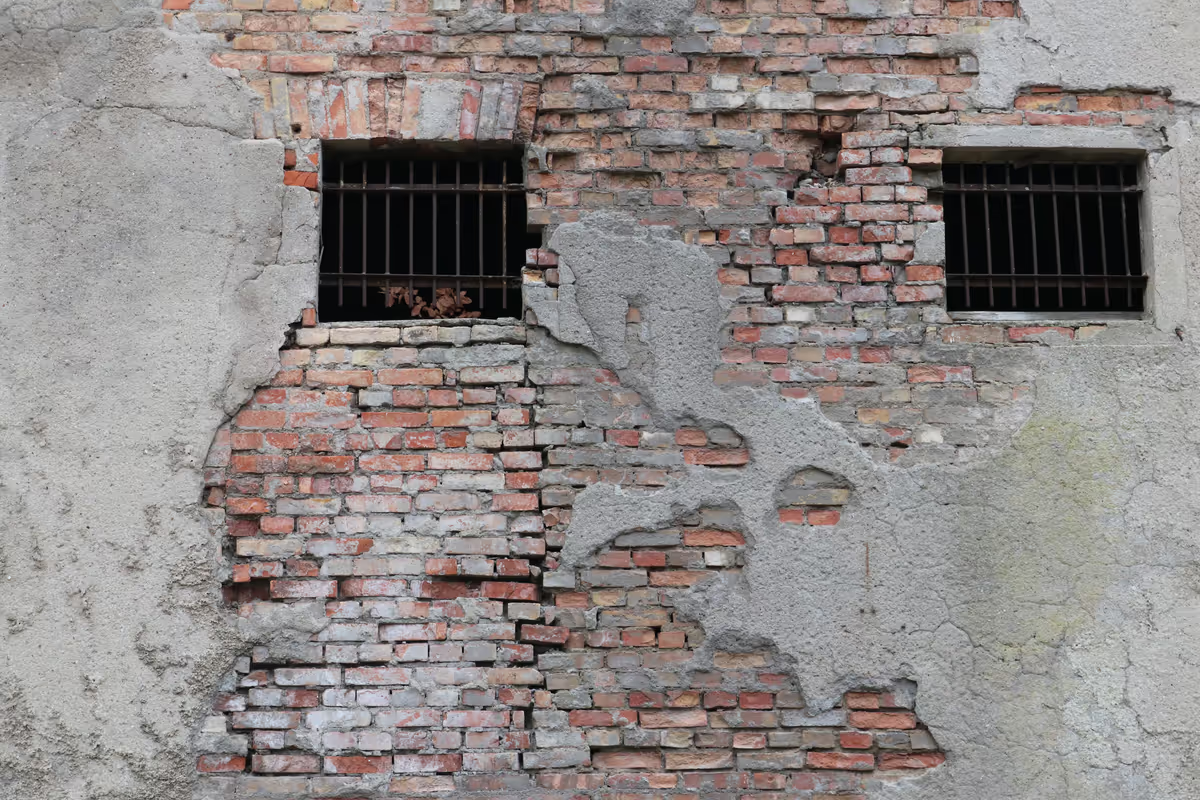
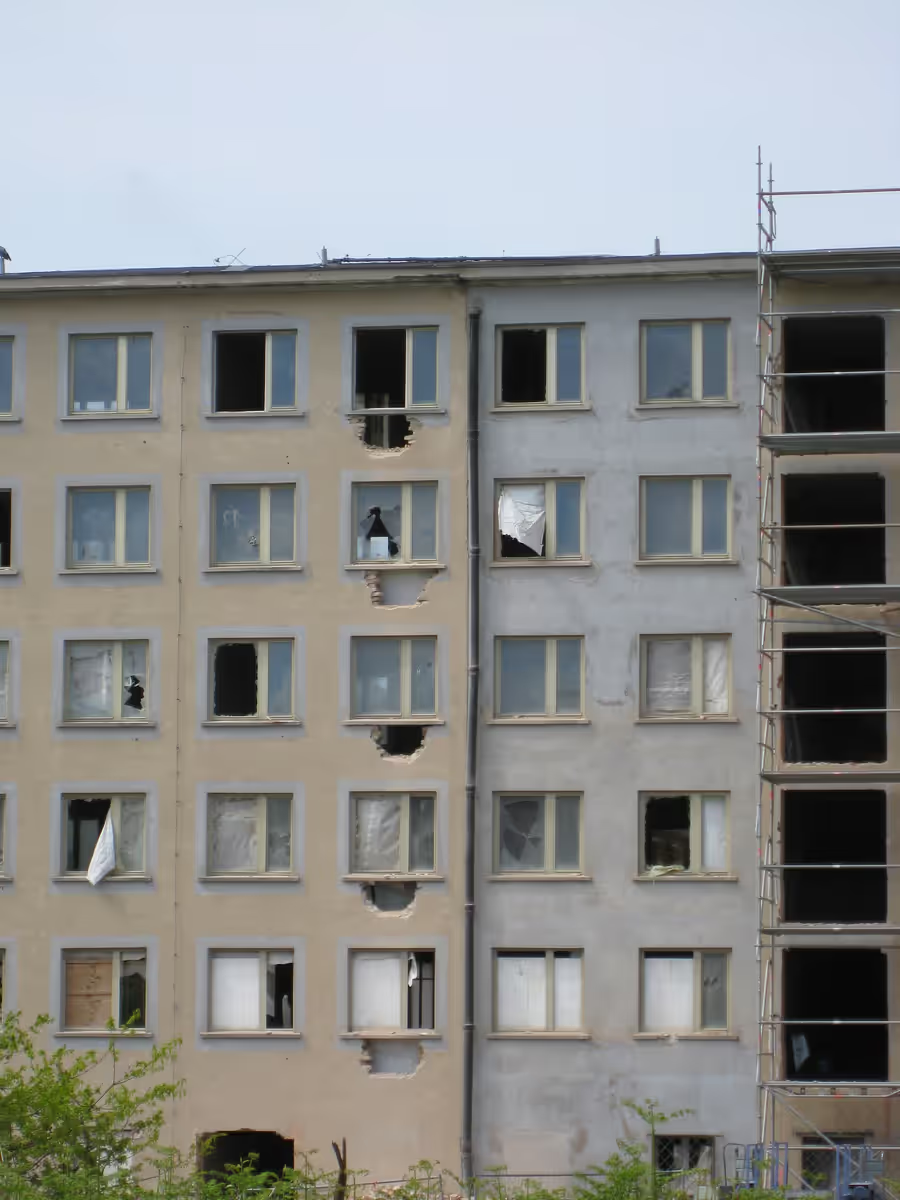
After 1945, the GDR's National People's Army (NVA) used several blocks as a barracks – another decade of military occupation without public access. After reunification most blocks fell into decay. Since the 2000s, renovation has been underway: one block now houses the Prora Museum, another a youth hostel, others have been converted into holiday apartments and luxury flats. The irony is difficult to surpass: the planned holiday complex for "national comrades" now houses high-end owner-occupied apartments.
Architecture and Scale
At 4,500 metres in length, Prora is the longest building ever constructed in one piece – surpassing even the Pentagon (1,500 m perimeter). That dimension alone makes a visit irreplaceable: photographs cannot convey what it means to walk along this building for minutes and still see the same structure ahead of you.
Gallery
Related Tours
Frequently Asked Questions
What is Prora and why is it worth visiting?
Is there a museum on site?
Can Prora be combined with a Rügen island tour?
How long do we spend at Prora?
Your Experience
- Private transfer in a luxury vehicle
- Personal driver & travel companion
- Handpicked luxury hotels
- Flexible itinerary adjustments
Why this tour?
Prora raises more questions than it answers. How could a regime build a structure of this scale – and never use it? What does it tell us about the Nazi leisure ideology that holidays were to be state-mandated and architecturally enforced? And what does it mean that this building now houses luxury apartments? These questions open up on site – not from books.
Your Individual Private Tour
Every trip is planned for you
Route, duration, hotels and itinerary – tailored to your wishes. Price on request.
Enquire Now