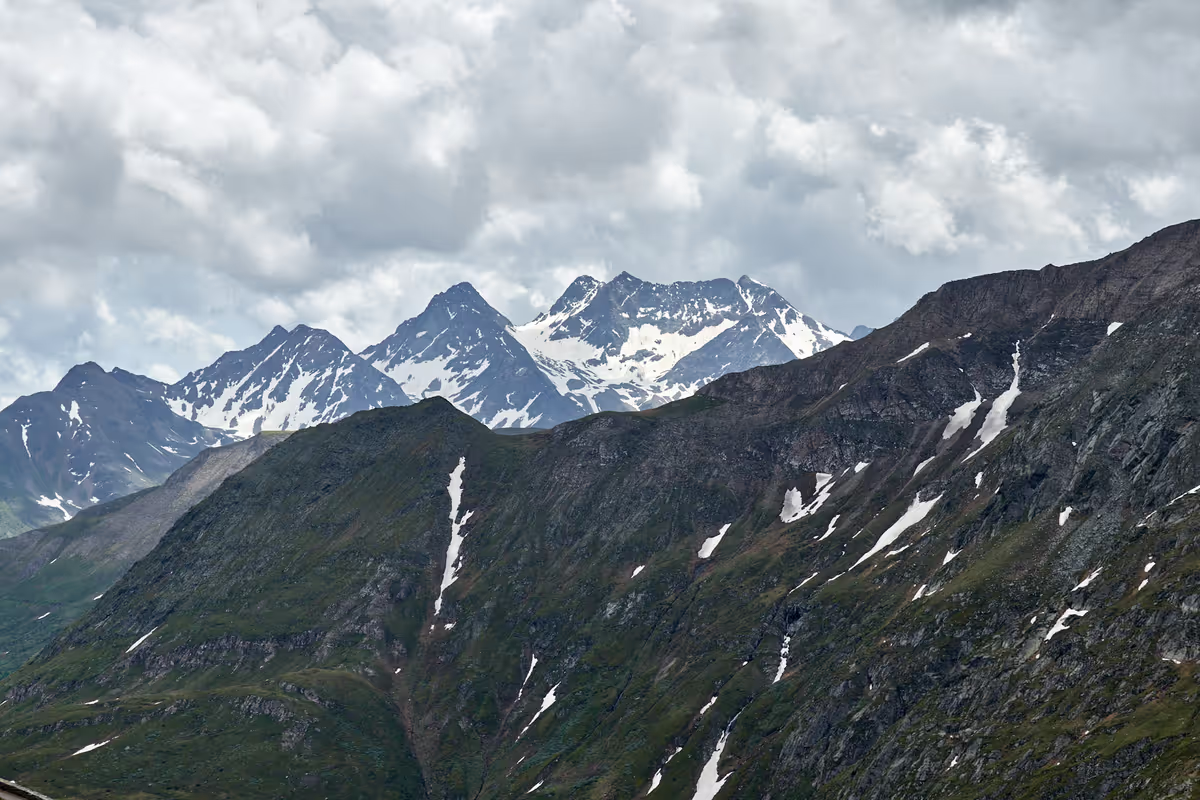
Grossglockner & Hohe Tauern – One of Europe's Great Alpine Drives, Privately
Built during the Great Depression, 36 hairpin bends to 2,504 metres: the Grossglockner High Alpine Road is an engineering story as much as a landscape one – and the Pasterze glacier tells another story entirely.
Plan Your Private TourDuration
2–3 days
Region
Salzburg / Carinthia, Austria
Format
Private Chauffeur Tour
Highlights
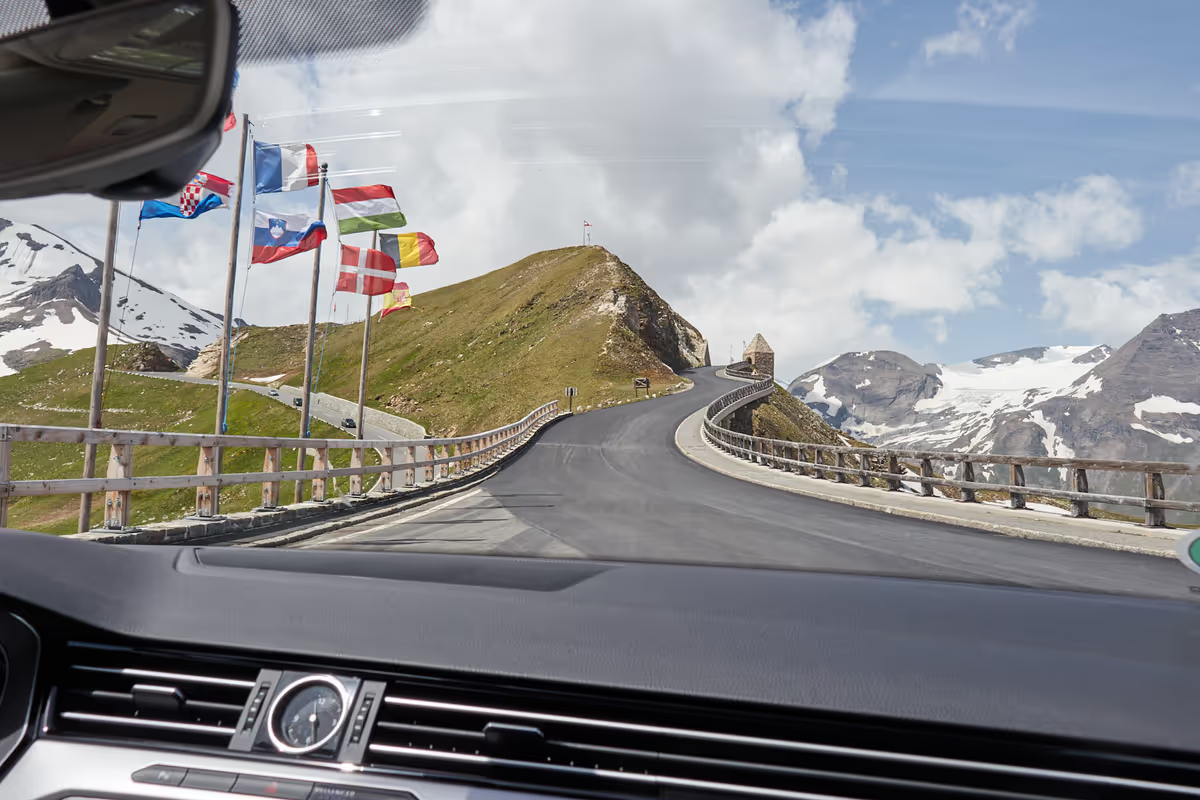
- Grossglockner High Alpine Road – 48 km, 36 hairpins, built 1930–1935 during Austria's Depression
- Kaiser-Franz-Josefs-Höhe (2,369 m) – panorama across the Pasterze and the Grossglockner (3,798 m)
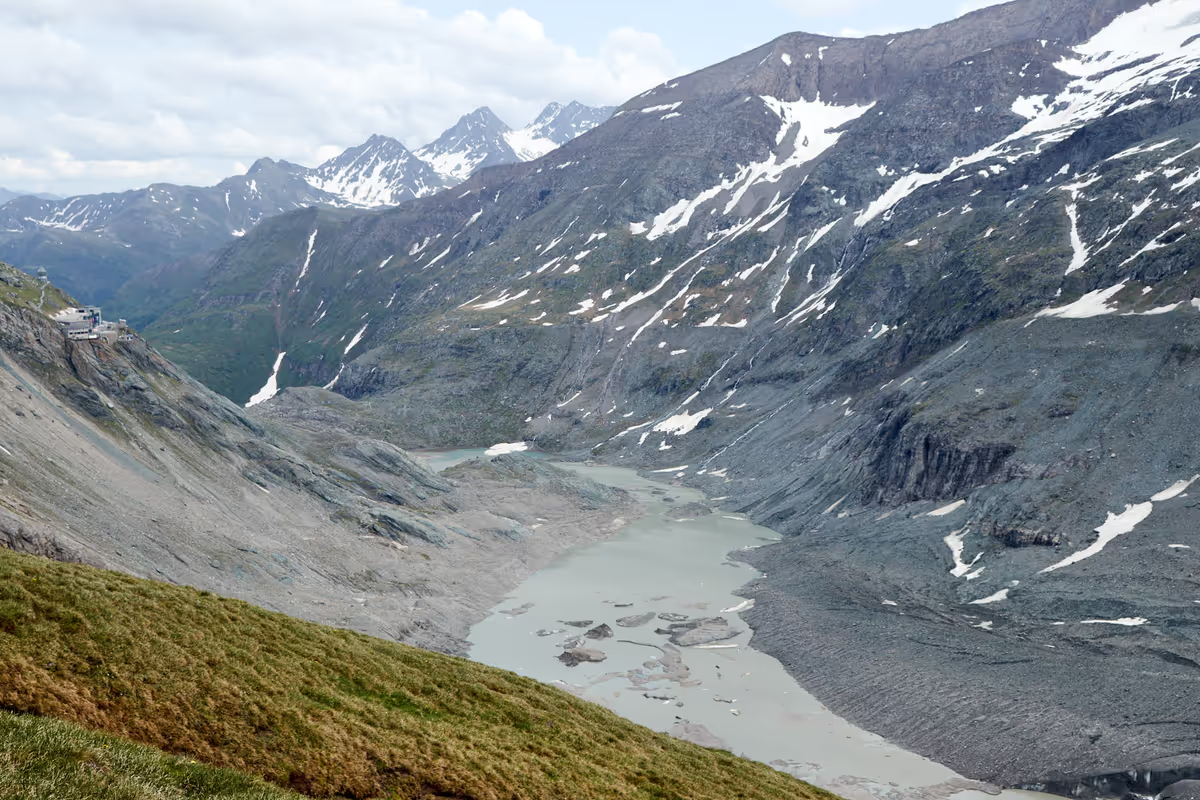
- Pasterze Glacier – from 22 km in 1850 to barely 8 km today: climate change made visible
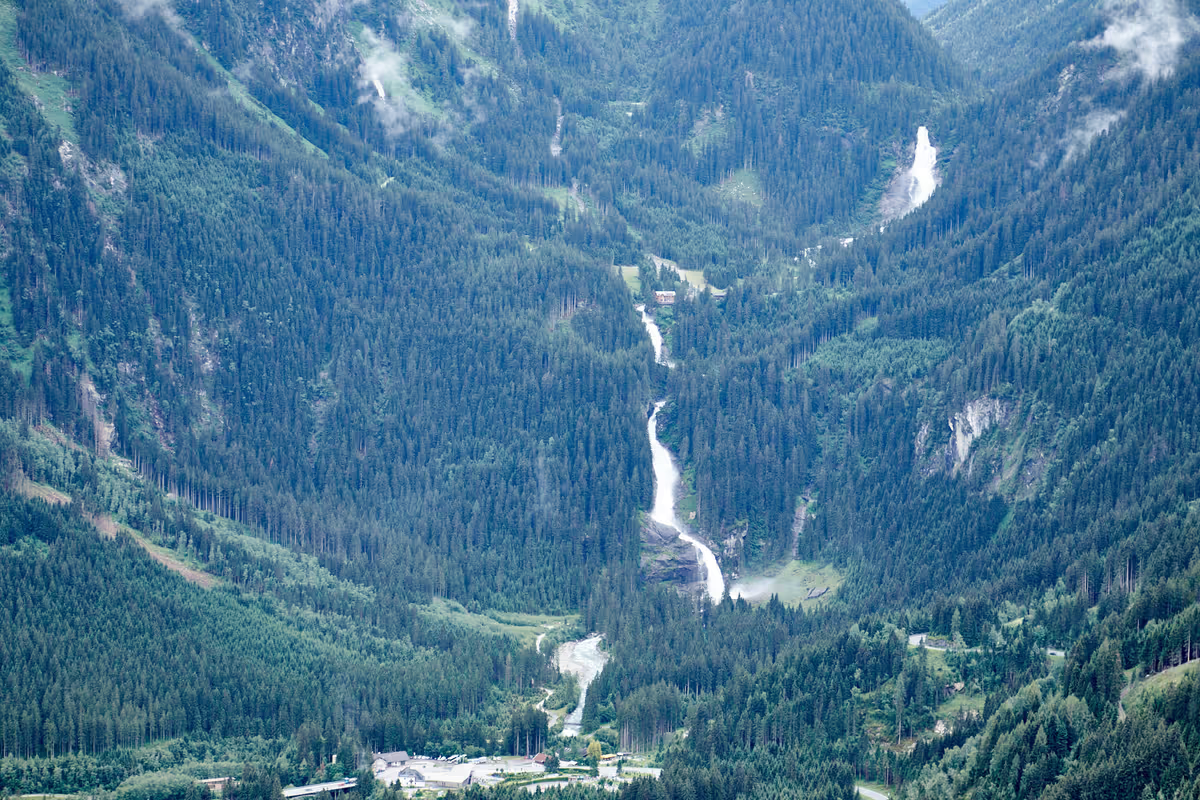
- Krimml Waterfalls – 380 m in three tiers, third highest in Europe
- Ibex, chamois, bearded vulture – reintroduced apex predator since 1986
- Overnight stays in alpine lodges of the highest category; optional combination with Salzburg or Kitzbühel
Enquire – no commitment, no form.
Enquire →Experience
The Grossglockner High Alpine Road: Built During the Depression
The Grossglockner High Alpine Road was not merely an infrastructure project – it was a political statement. Austria in 1930 was bankrupt, unemployment approaching 25%, and the government commissioned engineer Franz Wallack to build a road across the country's highest mountain. More than 3,200 workers were employed across five construction seasons. The result: 48 kilometres of mountain road, 36 hairpin bends, a summit at 2,504 metres (Hochtor Pass), connecting Bruck an der Glocknerstrasse in Salzburg with Heiligenblut in Carinthia. The road opened on 3 August 1935.
It was immediately one of the great engineering achievements of 20th-century Europe – not because the technology was unprecedented, but because the scale, the precision, and the audacity were. Up to 900,000 vehicles use it each year. Those who drive it privately, without time pressure and with someone who knows exactly where to stop and why, understand the difference between a scenic transit and an experience that changes how you see landscape.
The Drive: What Photographs Cannot Convey
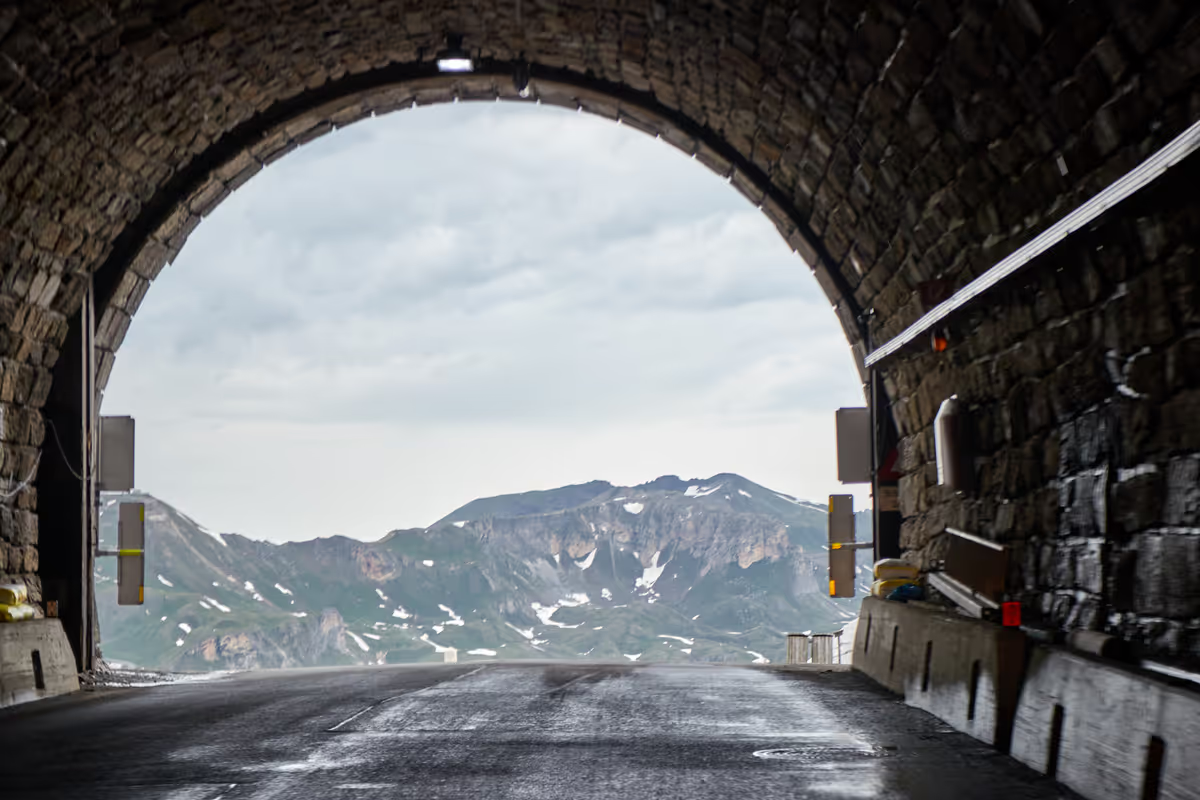
The summit section of the Grossglockner – between the Fuscher Törl at 2,407 metres and the Hochtor Pass at 2,504 metres – is one of those moments in European road travel where landscape exceeds all expectation. The hairpins above the treeline, the sudden panoramas across glacier chains extending 30 kilometres in every direction, the silence when the engine is switched off: this is not a "scenic drive". It is a confrontation with Alpine scale.
The side road to the Kaiser-Franz-Josefs-Höhe (2,369 m) delivers the centrepiece: a panorama across the Pasterze glacier and the north face of the Grossglockner (3,798 m) that has been photographed millions of times and still exceeds every photograph. The viewing platform is crowded in high season; those who arrive before 8 a.m. – or on our recommendation in late September – stand here largely alone.
The Pasterze: Reading a Glacier's Retreat
The Pasterze is the longest glacier in the Eastern Alps – and one of the most compelling examples of what climate change looks like when you can see it with your own eyes. In 1850 the glacier extended 22 kilometres down the valley. Today: barely 8. The rock face beside the Kaiser-Franz-Josefs-Höhe viewpoint carries historical markers showing where the glacier surface stood in 1850, 1900, 1950, 2000. Standing in front of those markers and looking at what remains is not an abstract briefing on climate science. It is an encounter with measurable, visible time – more persuasive than any graph.
Krimml Waterfalls: Three Tiers, 380 Metres
In the western Salzburg region, the Krimmler Ache plunges 380 metres in three tiers – the highest waterfalls in Austria and the third highest in Europe. The path alongside the falls takes approximately 90 minutes at a comfortable pace; the spray, the sound, and the sub-alpine vegetation make it one of the most intensely sensory walks in the Alps. In early summer after snowmelt the falls are at their most powerful; in dry August periods the flow reduces noticeably. We plan your visit for conditions.
The Wildlife of the High Alps
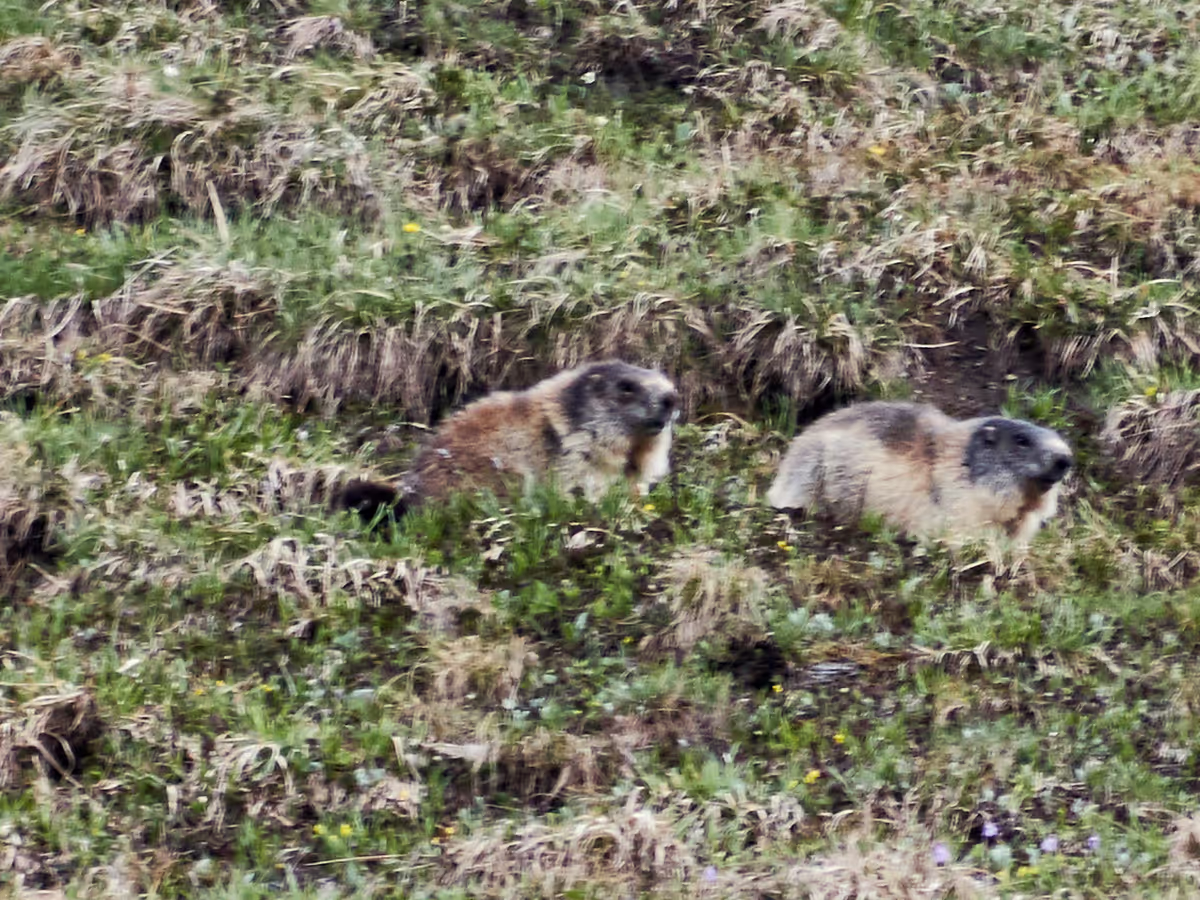
The Hohe Tauern National Park – 1,856 square kilometres across the three Austrian states of Salzburg, Carinthia and Tyrol – supports more large wild animals per square kilometre than anywhere else in Central Europe: ibex, chamois, marmots, golden eagles, and since 1986 the bearded vulture (Lämmergeier), successfully reintroduced after extinction in the 20th century. An early morning on the High Alpine Road, before the first coach tours arrive, offers a genuine chance of encountering ibex on the road. We know the locations.
Gallery
Related Tours
Frequently Asked Questions
When is the Grossglockner High Alpine Road open?
Which highlights will we experience?
How strenuous is the tour?
How many days should I plan?
Your Experience
- Private transfer in a luxury vehicle
- Personal driver & travel companion
- Handpicked luxury hotels
- Flexible itinerary adjustments
Why this tour?
The Grossglockner is one of those places that is genuinely different when experienced privately. The motorcycle convoys that fill the road in July are absent by late September; the first parking space at the Kaiser-Franz-Josefs-Höhe at 7 a.m. on a Tuesday in May is yours alone. We plan every Austrian alpine journey around the conditions that make the landscape exceptional – not the calendar dates that make it crowded.
Your Individual Private Tour
Every trip is planned for you
Route, duration, hotels and itinerary – tailored to your wishes. Price on request.
Enquire Now